
How AI can power up Commercial Routes Solutions to the next level
In the Pharma – Healthcare Industry, the work of sales representatives or pharmaceutical representatives plays a fundamental role in the promotion and marketing of pharmaceutical products. Becoming a key figure to achieving the success of the sales strategy and the correct execution of the company’s “Call Plan”.
However, very often companies find themselves struggling to improve representative’s performance due to several factors such as: The complexity of Sales Process, Changing market dynamics, Managing customer relationships, etc.
So, the question is, can a company ensure the success of its sales representatives? The answer is YES.
Artificial Intelligence: The new go-to strategy for better Route Planning
One of the key strategies to increase the efficiency and impact of these sales visitors is the optimization of their commercial routes. That is why, today we will explore the keys to optimizing commercial routes through a dynamic planning system powered by Artificial Intelligence and GIS (Geographic Information Systems) methodologies.
Technology plays a crucial role in optimizing commercial routes and, thanks to technological advances in the field of Data Analysis, Geographic Information Systems and Artificial Intelligence, today there are methodologies and solutions available that can help pharmaceutical companies achieve efficient route planning, as is the case of Route Optimization.
Can you imagine a system that intelligently plans the Visit Plan?
Route Optimization is a route creation and optimization tool created by BIsiona with AI methods and “Traveling Salesman Problem”.
Route Optimization is a system that allows daily and customizable dynamic planning and replanning of commercial routes thanks to its constant feedback on the flow of information and the possibility of customizing the optimal replanning by adding exceptions and restrictions to the desired result. Thus optimizing the effort of the commercial network and helping in compliance with the visit plan or “Call Plan”.
In short, is a Route Optimization system that intelligently DESIGNS, ANALYZES and RE-PLANNING the Visiting Agenda of the Delegates.

Top main features on Intelligent Route Planning
Complete Adaptability to Objectives:
Complete adaptability to the methodology and objectives of the Plan. Allowing planning of visits based on different Objectives:
- Frequency of Visits.
- % Total coverage.
- By seasonality of Products.
- Sales Maximization.
- Focus on Priority Segments.
Intelligent Planning of the Visit Agenda:
The Visit Agenda is redesigned daily with the objective of achieving the highest performance of the delegates and meeting the objectives of the Plan.
A visit planning that:
- Calculate the shortest routes for delegates.
- Assign visits with potential sales.
- Ensures an almost immediate increase in % Total Coverage.
- Reduces the number of Overcall Visits inflicted by delegates.
Dashboards and Dynamic Reports:
Easy and intuitive monitoring through Dashboards and Dynamic Reports, compliance, profitability and cross indicators among many others.


Workflow in tendering: structure, control and operational efficiency
BLOG BISIONA What does the workflow involve? The concept of workflow as applied to tender management does not involve automating the preparation of the tender itself. The technical proposal, the analysis of evaluation criteria and the drafting of the distinctive...
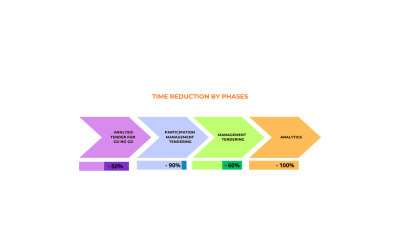
Managing participation in a tender: The set of processes that takes up the most time and offers the greatest potential for savings
BLOG BISIONA A structured overview of the process, the four main components that make it up, and the potential for optimisation that few organisations exploitWe have estimated an average of 18.5 hours of work, making this the most time-consuming stage of the process,...

Taking part in public tenders: What does it actually cost, and where is there room for improvement?
BLOG BISIONA A structured overview of the process, the four main components that make it up, and the potential for optimisation that few organisations exploitIf your company actively participates in public tenders, you probably feel that the process consumes a great...
Workflow in tendering: structure, control and operational efficiency
BLOG BISIONA What does the workflow involve? The concept of workflow as applied to tender management does not involve automating the preparation of the tender itself. The technical proposal, the analysis of evaluation criteria and the drafting of the distinctive...
Managing participation in a tender: The set of processes that takes up the most time and offers the greatest potential for savings
BLOG BISIONA A structured overview of the process, the four main components that make it up, and the potential for optimisation that few organisations exploitWe have estimated an average of 18.5 hours of work, making this the most time-consuming stage of the process,...